Are you on a rollercoaster? Women know it’s coming eventually. It’s a topic that will likely get that deer-in-headlights look from your doctor. Sometimes it’s a taboo subject whispered about amongst your closest friends. We’ve heard the legendary horror stories of menopause. However, menopause is defined clinically as the cessation of menstruation for 12 months or more and …

Are you on a rollercoaster? Women know it’s coming eventually. It’s a topic that will likely get that deer-in-headlights look from your doctor. Sometimes it’s a taboo subject whispered about amongst your closest friends. We’ve heard the legendary horror stories of menopause.
However, menopause is defined clinically as the cessation of menstruation for 12 months or more and is actually the “finish line!” It’s perimenopause that is the “rollercoaster ride” of hormonal imbalance, irregular periods, hot flashes, sleep disturbances, moodiness, and weight gain as a woman transitions into menopause. Buckle up, ladies! Please, keep your arms and legs inside the vehicle at all times.
Pre-menopause – Child-bearing years
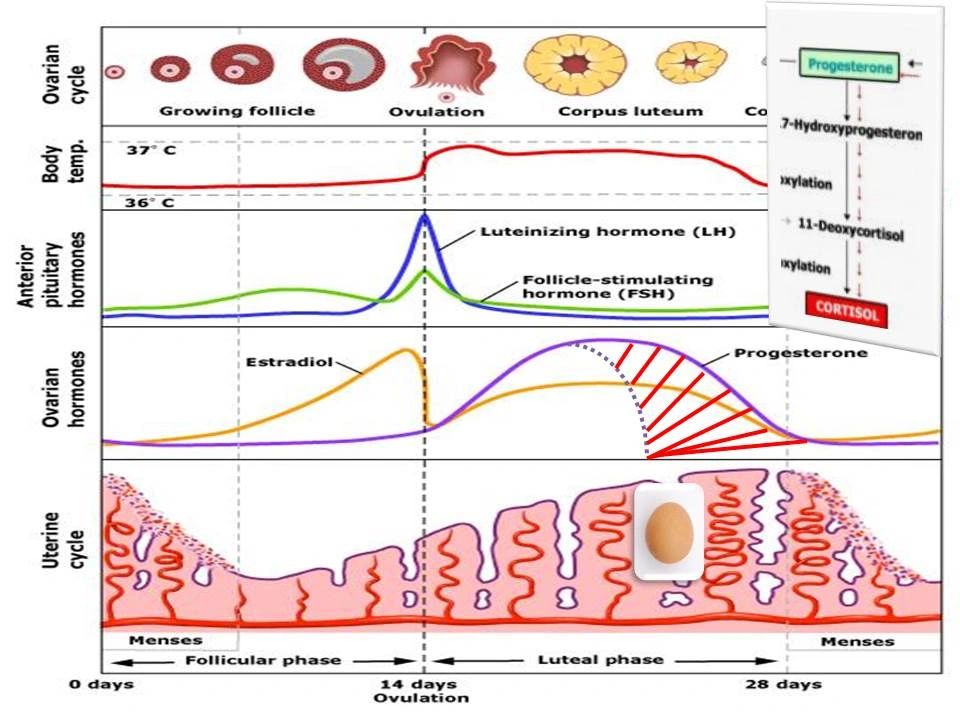
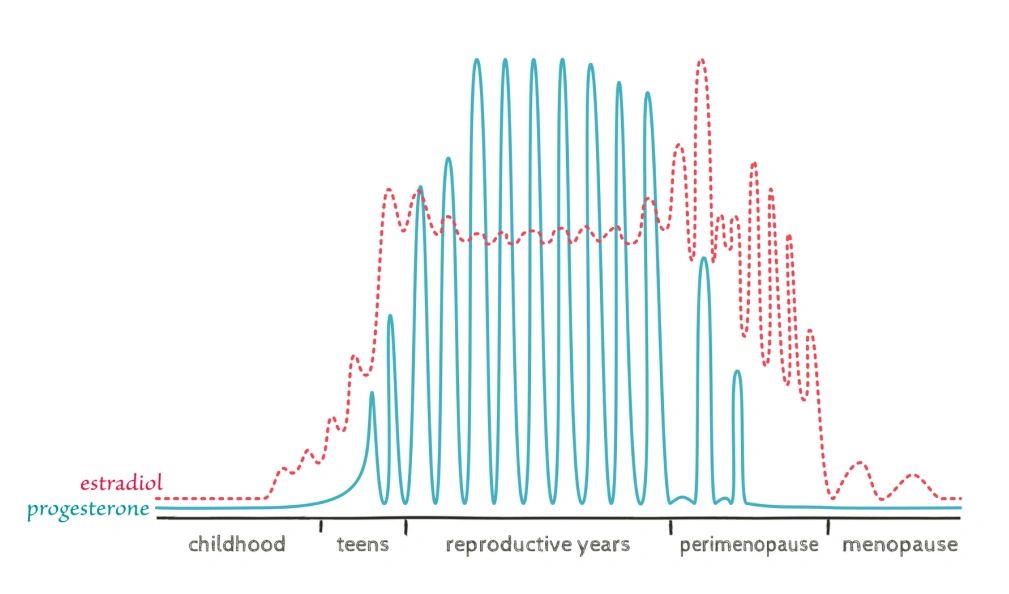
In pre-menopause, estrogen and progesterone have a nice, consistent rhythm. About every 28 days, estrogen increases until the egg is released (ovulation). Then, progesterone supports the uterine lining for fertilization until progesterone drops and menses occurs. Then, the process starts over again. Estrogen, ovulation, progesterone, menses… (See the ‘Reproductive Years’ on the chart below.) Any mild variations in estrogen are controlled by the protective function of progesterone. Sort of like your calm, cool, and collected Aunt Progesterone has enough influence to keep your fun-loving Aunt Estrogen from dancing on the tables with a lamp shade on her head.
Progesterone (“The Unsung Hero”) serves a PROTECTIVE role and has important effects on the central nervous system including reducing irritability, maintaining mental focus, promoting sleep cycles, and lowering nighttime cortisol levels. Progesterone also protects the bones, increases endurance and metabolic rate, reduces PMS, increases libido, enables tissue repair, protects breast tissue, helps control/metabolize estrogen, facilitates thyroid hormone use, supports testosterone balance, and assists the thymus in immune function. This motherly hormone also protects the fetus throughout pregnancy.
Estrogen has a PROLIFERATIVE role and creates the endometrial lining, promotes development at puberty, improves memory, increases insulin sensitivity, maintains elasticity of arteries, regulates cholesterol levels, improves metabolism, thickens skin and reduces pore size, prevents vaginal atrophy and dryness, maintains bone strength, and maintains muscles among many other functions.
Perimenopause
In perimenopause, that nice monthly rhythm of pre-menopause begins to sputter like the wheel of a wonky shopping cart. Progesterone becomes more inconsistent and decreased in cycles, and estrogen can vary wildly (highs and lows) between menstruation. (Hello, Rollercoaster!) Those nice regular periods of pre-menopause become a guessing game. Maybe 35 days… then 24 days… then 42 days… Some periods may be heavier than others thanks to the wildly swinging levels of estrogen which goes unchecked by dwindling progesterone levels. (In other words, Aunt Estrogen still has plenty of energy to act up while Aunt Progesterone takes a little nap.) See how the progesterone (blue line on graph) becomes much less and more inconsistent while estrogen (pink line) swings drastically (high and low) until menopause? This is when the imbalance occurs between progesterone and estrogen. That’s your ROLLERCOASTER!
Symptoms of Progesterone deficiency (or estrogen dominance) can include:
- weight gain
- headaches
- hypothyroidism
- hair loss
- fluid retention
- acne
- sleep disturbances (waking at 3am)
- brain fog
- PMS
- heavy periods
- breast pain
- fibroids
- irregular cycles
- anxiety
- depression
- irritability
- mood swings
As a woman moves toward menopause, estrogen levels (pink line) will also decrease resulting in typical “menopausal” symptoms of brain fog, weight gain, and hot flashes. Symptoms of perimenopause may be minimized with appropriate replacement of hormone levels to make a smoother transition into menopause without riding the rollercoaster.
Other factors may play into sex hormone production such as adrenal health and thyroid function.
At The Peak Wellness Spa, our nurse practitioner is certified in bioidentical hormone replacement therapy (BHRT). Your symptoms will be evaluated and concerns may be confirmed with laboratory testing before proceeding with hormone replacement.
Call The Peak Wellness Spa today at 480-306-8882 to schedule your Hormone Consultation to determine if BHRT is right for you.