How Aspen Laser Therapy May Support Nerve Recovery Without Medication or Downtime Nerve pain can be exhausting. It is not the kind of discomfort you can simply ignore. Burning sensations, tingling, numbness, or sharp shooting pain can make everyday activities feel more difficult than they should. Walking. Sitting. Sleeping. Even concentrating can become frustrating when …
How Aspen Laser Therapy May Support Nerve Recovery Without Medication or Downtime
Nerve pain can be exhausting.
It is not the kind of discomfort you can simply ignore. Burning sensations, tingling, numbness, or sharp shooting pain can make everyday activities feel more difficult than they should.
Walking. Sitting. Sleeping. Even concentrating can become frustrating when nerves are irritated. Many people try medication first. While medication can sometimes reduce symptoms, it does not always address what is causing the nerve irritation in the first place.
That is why more people are starting to explore laser therapy for nerve pain in Scottsdale.
At The Peak Wellness Spa, we offer Aspen laser therapy in Scottsdale, a non-invasive treatment designed to support circulation, cellular energy, and tissue recovery. The goal is to help create a healthier environment for irritated nerves so the body can recover and function more comfortably.
For people dealing with sciatica, peripheral neuropathy, or chronic nerve irritation, laser therapy may be an option worth exploring.
Understanding Nerve Pain
Your nervous system acts as the body’s communication network.
Nerves carry signals between the brain, spinal cord, muscles, and organs so everything can function smoothly.
When a nerve becomes irritated, compressed, or damaged, those signals can become disrupted. This is when symptoms often appear.
People experiencing nerve pain commonly describe sensations such as:
- burning
- tingling
- numbness
- electric or shooting pain
- unusual sensitivity
These symptoms may come and go, but for many people they can become persistent if the underlying cause is not addressed.
Several factors may contribute to nerve irritation, including:
- inflammation
- physical compression of the nerve
- injury or trauma
- circulation problems
- long-term conditions such as diabetes
- degeneration in the spine or joints
Because nerve tissue can be sensitive and slow to heal, many treatments focus on improving circulation and supporting tissue recovery.
Common Nerve Pain Conditions
At our Scottsdale wellness clinic, we frequently see patients experiencing nerve-related discomfort from conditions such as:
Sciatica
Sciatica occurs when the sciatic nerve becomes compressed or irritated, often due to disc issues or muscle tension in the lower back.
Peripheral Neuropathy
Peripheral neuropathy affects nerves in the hands or feet and may cause burning, tingling, or numbness.
Diabetic Neuropathy
High blood sugar over time can damage nerve fibers, particularly in the lower legs and feet.
Carpal Tunnel Syndrome
Compression of the median nerve in the wrist may lead to numbness, tingling, or weakness in the hand.
Post-Injury Nerve Irritation
After injuries or surgeries, nerve tissue may remain sensitive or inflamed.
While these conditions have different causes, many share the same challenge: the nerve and surrounding tissue need better circulation and cellular support to recover.
How Laser Therapy Supports Nerve Recovery
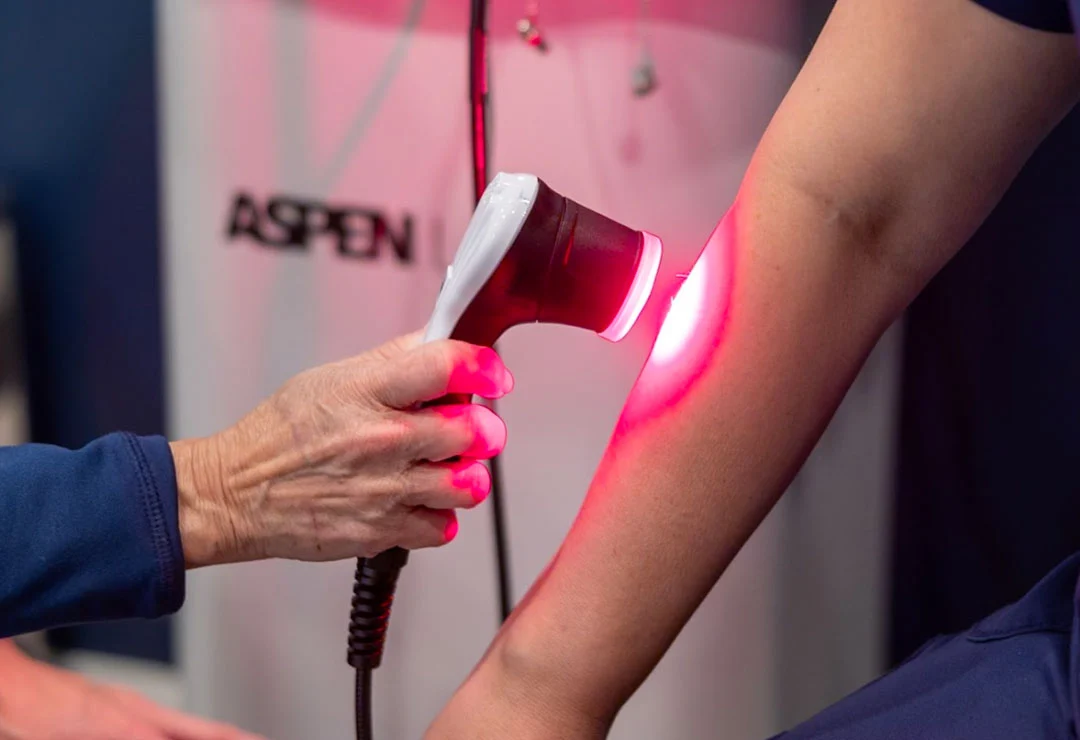
Laser therapy works through a process known as photobiomodulation.
While the term may sound complex, the concept is simple. Specific wavelengths of laser energy are delivered into tissue where they interact with cells and help stimulate normal cellular activity.
When used for nerve pain, laser therapy may help support recovery by:
• encouraging cellular energy production
• improving circulation in surrounding tissues
• supporting a healthy inflammatory response
• promoting tissue repair around irritated nerves
Rather than simply masking symptoms, laser therapy focuses on supporting the body’s natural recovery processes.
What Is Aspen Laser Therapy?
Aspen laser therapy is a Class IV therapeutic laser used in many medical and rehabilitation settings.
Compared with lower-powered devices, Class IV lasers deliver deeper-penetrating energy that can reach muscles, joints, and nerve pathways.
At The Peak Wellness Spa in Scottsdale, Aspen laser therapy is used as part of a personalized approach to pain support and recovery.
The treatment is:
• non-invasive
• drug-free
• comfortable for most patients
• designed to support tissue recovery
Most sessions are quick and efficient, typically lasting just a few minutes depending on the treatment area. Patients often describe the experience as a gentle warmth during the session.
Why Many People Choose Laser Therapy
When exploring options for nerve pain, people often compare several different approaches.
Traditional treatments may include medications, physical therapy, or surgery depending on the condition.
Many patients are drawn to laser therapy because it offers several potential advantages.
- Non-Invasive: Laser therapy does not involve injections or surgical procedures.
- Drug-Free: It provides a supportive option without relying on medications.
- Targeted Treatment: Laser energy can be directed to the specific area where support is needed.
- Supports Natural Recovery: Laser therapy works by stimulating cellular activity rather than introducing chemicals into the body.
For many people, this combination makes laser therapy an appealing part of a comprehensive wellness plan.
Conditions Aspen Laser Therapy May Support
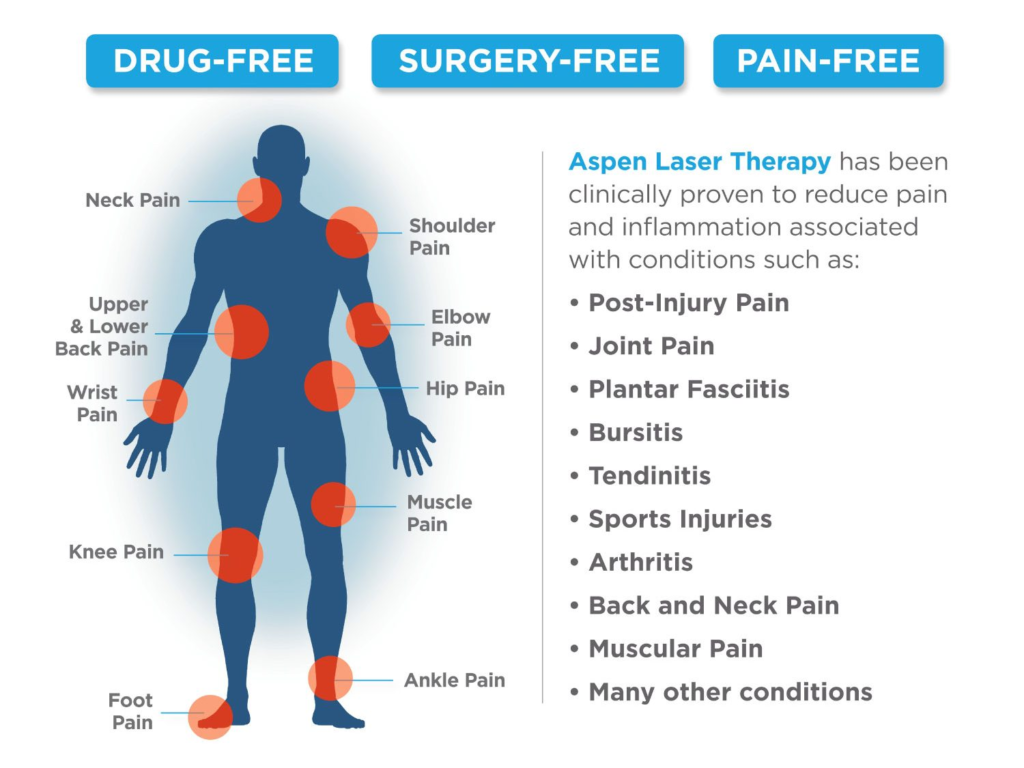
Aspen laser therapy may be considered for several types of nerve-related discomfort, including:
- sciatica
- peripheral neuropathy
- diabetic neuropathy
- nerve irritation related to back or neck tension
- carpal tunnel syndrome
- chronic muscle and joint pain affecting nerve pathways
Every patient is different, which is why treatment plans are customized based on symptoms, history, and wellness goals.
What to Expect During Laser Therapy
Many people are surprised by how simple a laser therapy session can be.
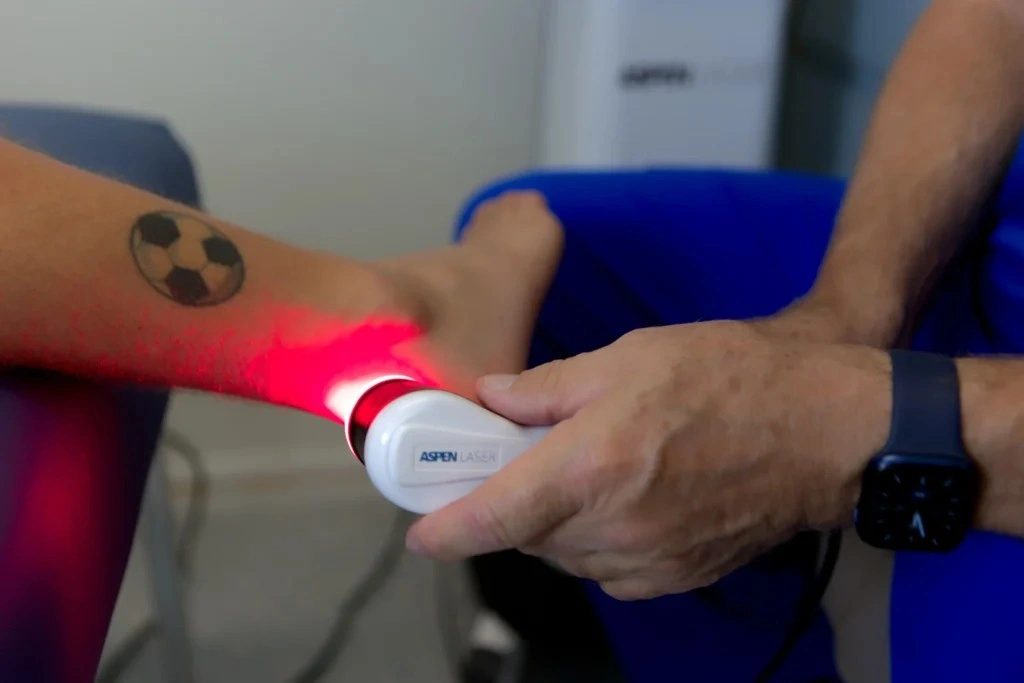
During treatment, a provider places the laser device over the affected area while the therapeutic energy is delivered into the tissue.
Sessions typically last 5 to 15 minutes, depending on the size of the treatment area.
Patients may experience:
- mild warmth
- a relaxing sensation
- little to no discomfort
There is no downtime, and most people can return to normal daily activities right after their appointment.
How Many Sessions Are Typically Needed?
Laser therapy often works best when performed as a series of treatments.
Many treatment plans include 6 to 12 sessions, though this varies depending on the condition and the individual.
Some people notice improvements earlier, while others benefit from a longer treatment plan that allows tissue recovery to build gradually.
Combining Laser Therapy With Other Wellness Treatments
Laser therapy can often be combined with other therapies to support recovery and overall wellness.
These may include:
- physical therapy
- mobility and strengthening programs
- wellness therapies that support circulation and recovery
At The Peak Wellness Spa, we focus on creating personalized wellness plans that support long-term vitality and comfort.
Exploring Laser Therapy for Nerve Pain in Scottsdale
Nerve pain can impact how you move, sleep, and enjoy everyday life.
The encouraging news is that therapies like Aspen laser therapy in Scottsdale offer a non-invasive option designed to support recovery and comfort.
While laser therapy is not a cure-all, it can be an important part of a plan that supports nerve health and overall wellness.
Discover Aspen Laser Therapy at The Peak Wellness Spa
At The Peak Wellness Spa in Scottsdale, our team focuses on helping patients explore therapies that support vitality, recovery, and long-term wellness.
If you are experiencing sciatica, neuropathy, or ongoing nerve irritation, Aspen laser therapy may be a treatment worth discussing.
You do not have to navigate nerve pain alone.
Schedule a consultation to learn how Aspen Laser therapy may support your recovery and help you move more comfortably.
FAQs
What is Class IV laser therapy?
Class IV laser therapy uses more than 500 milliwatts of power to reach deeper tissues and support healing in muscles, joints, and nerves.
Is laser therapy painful?
Generally, no. Most people feel mild warmth during the session, though some may notice temporary tenderness afterward.
How many sessions of photobiomodulation therapy do I need?
Many providers recommend between 6 and 13 sessions, though the exact number depends on your condition and response.
Does laser treatment help peripheral neuropathy?
Yes, it may. Many physicians and podiatrists use laser therapy as part of treatment plans for peripheral neuropathy and diabetic neuropathy.
Can light therapy help sciatica?
It may help reduce inflammation, improve circulation, and support the tissue around irritated nerves, which can be useful in some cases of sciatica.
Is Aspen laser therapy available in Scottsdale?
Yes. Aspen laser therapy is available in Scottsdale and may be part of a personalized pain or recovery program depending on your needs.