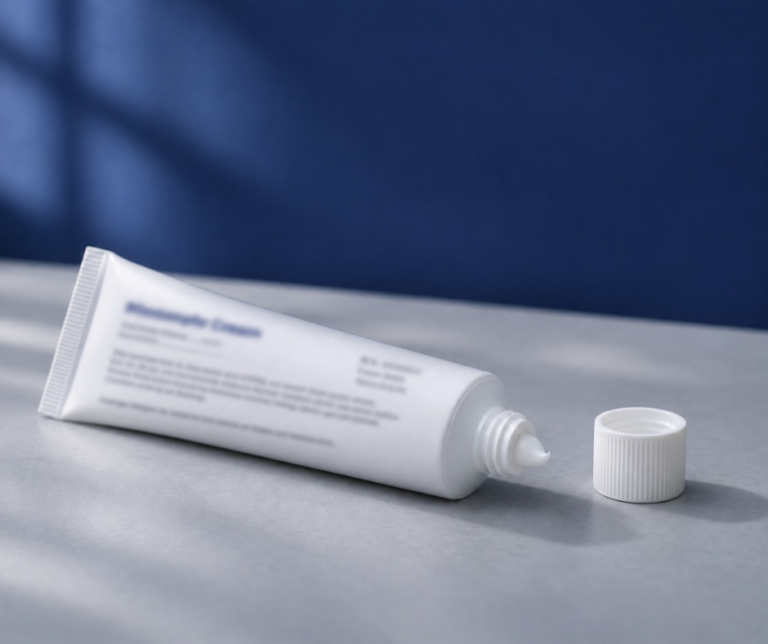
Menopause gets plenty of attention for hot flashes. Vaginal dryness? Somehow, that topic rarely makes it into brunch conversation.
Yet dryness, irritation, and uncomfortable sex deserve just as much attention. You do not have to quietly accept them as your new normal.
Vaginal estrogen cream is a prescription treatment that helps relieve vaginal symptoms caused by declining estrogen. Estradiol vaginal cream is one type. It works primarily in local tissues to improve dryness, irritation, and discomfort with sex.
Both terms can be correct, but they are not interchangeable.
Estrogen is the broader hormone category. Estradiol is one specific estrogen used in prescription vaginal creams. Other vaginal estrogen creams contain conjugated estrogens.
For clarity, we use vaginal estrogen cream when discussing the treatment category and estradiol vaginal cream when referring to that specific medication. The ingredient on your prescription tells you which one you have.
As estrogen declines, vaginal tissues can become thinner, drier, and less elastic. As a result, you may notice burning, irritation, or discomfort during intimacy.
These changes can also affect the vulva and urinary tract. Together, menopause-related genital and urinary symptoms are called genitourinary syndrome of menopause, or GSM. Quite a name for something women often describe as, “Things just feel different.”
However, not every itch or uncomfortable bathroom trip is hormonal. Infections and skin conditions can cause similar symptoms, so an evaluation matters.
Local low-dose vaginal estrogen can improve:
Rather than simply adding temporary lubrication, estrogen helps support the condition of the vaginal lining. Meanwhile, lubricants reduce friction during intimacy, and vaginal moisturizers help with ongoing dryness. Your provider may recommend using these alongside treatment.
Yes. For women in perimenopause or after menopause who experience recurrent urinary tract infections, low-dose vaginal estrogen can help reduce the risk of future infections when medically appropriate.
As estrogen declines, the vaginal environment changes, including its protective bacteria and acidity. Vaginal estrogen helps support healthier tissues and restore that environment. As a result, its benefits can extend beyond dryness and more comfortable intimacy.
However, vaginal estrogen does not treat an active UTI or replace antibiotics when they are needed. Burning, urgency, or frequent urination deserves an evaluation because an infection and menopause-related irritation can feel similar.
If UTIs keep making unwelcome return appearances, ask your provider whether vaginal estrogen belongs in your prevention plan.
Some women notice improvement within a few weeks. However, full benefit can take up to three months.
Consistency matters. Your prescription may include an initial treatment phase followed by a maintenance schedule, but directions vary. Follow your prescribed amount and application instructions rather than borrowing a friend’s routine.
This is one area where “a little extra for good measure” is not the goal.
Tell your provider about your symptoms, medications, and health history, including any unexplained vaginal bleeding or history of hormone-sensitive cancer.
For women with a history of breast cancer, nonhormonal options are generally tried first. If symptoms persist, low-dose vaginal estrogen may be considered through shared decision-making, sometimes with the oncology team.
Possible side effects include local discomfort, irritation, or spotting. Any bleeding after menopause needs medical evaluation. Persistent symptoms also deserve a follow-up rather than an automatic dose increase.
You would mention a persistent headache or an aching knee. Vaginal discomfort deserves the same honesty.
If dryness or painful intimacy is affecting your life, ask your medical provider about the cause and your treatment options. A straightforward conversation can be the first step toward feeling more comfortable.
At The Peak Wellness Spa in Scottsdale, we believe feeling better includes being able to ask the questions that rarely make it into casual conversation.
Common questions about vaginal estrogen cream
Estradiol vaginal cream is one type of vaginal estrogen cream. Estrogen is the broader category; estradiol names the specific hormone in that prescription. Check the active ingredient on your medication.
Not necessarily. Treatment can improve vaginal tissues, while lubricant can still help reduce friction during sex. They serve different purposes and can be used together.
This article focuses on vaginal estrogen cream. Estrogen patches and pills are systemic treatments that deliver hormones throughout the body and may treat symptoms such as hot flashes and night sweats. Low-dose vaginal cream primarily treats local vaginal symptoms, with much less estrogen generally reaching the bloodstream. Absorption can vary by product and dose.
This article provides general education and does not replace individualized medical advice.

Blending science & nature to promote wellness.
Discover the breakthrough Ultra+ with DE|RIVE® serum for healthier, fuller hair.
Event only pricing • Raffles • Limited seats